

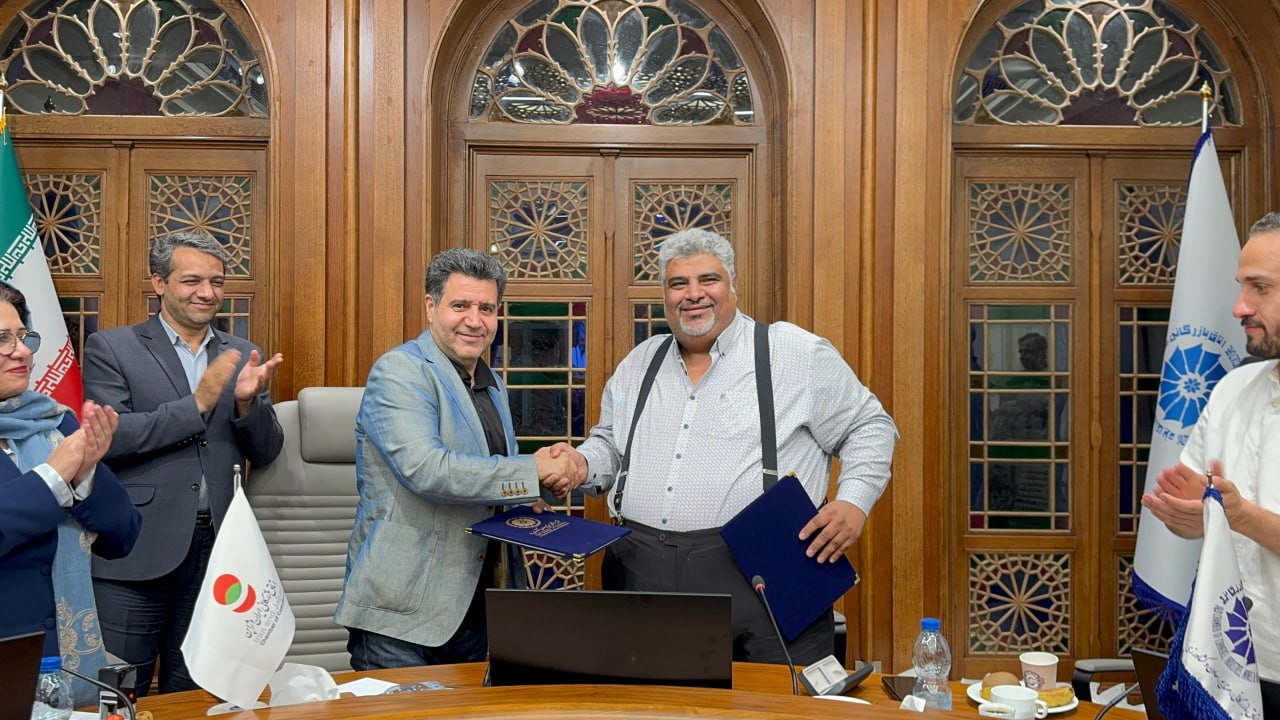
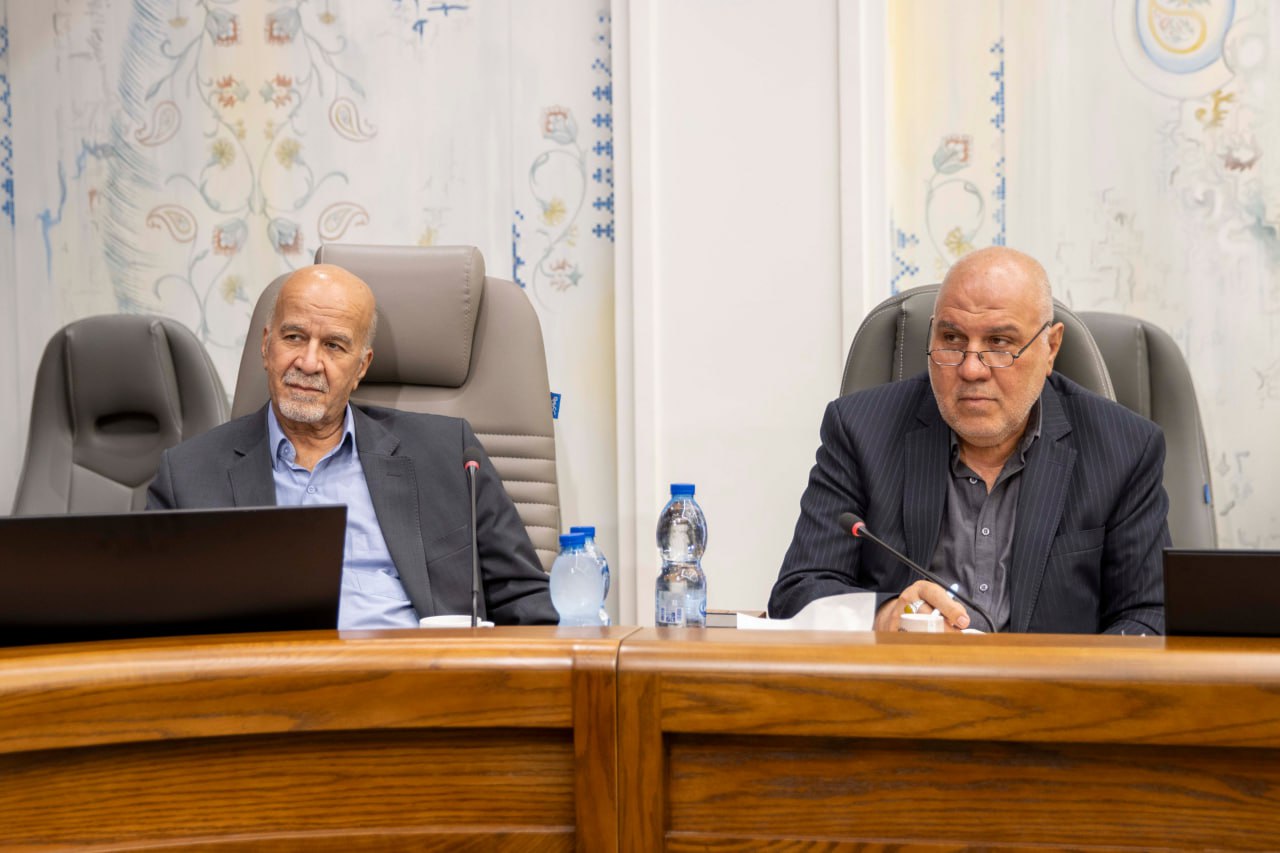
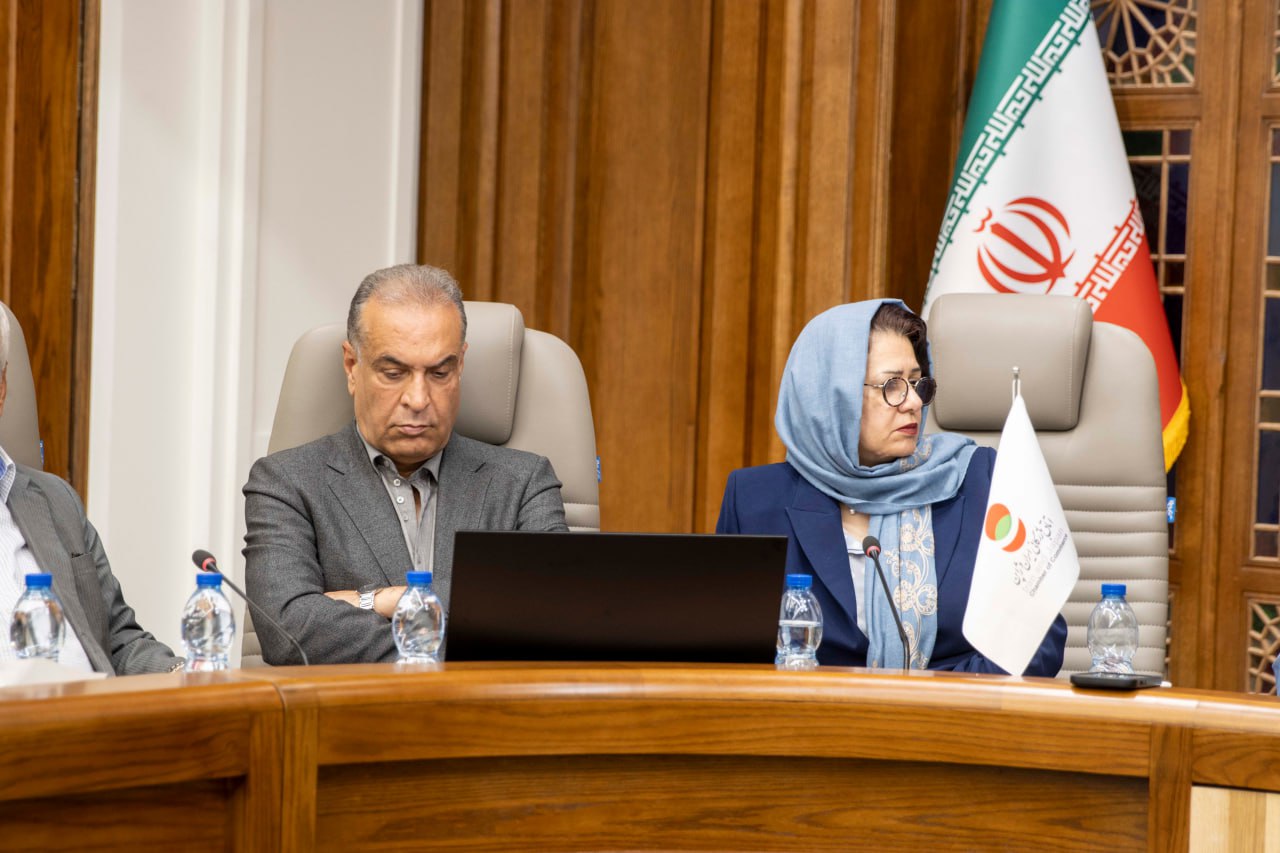
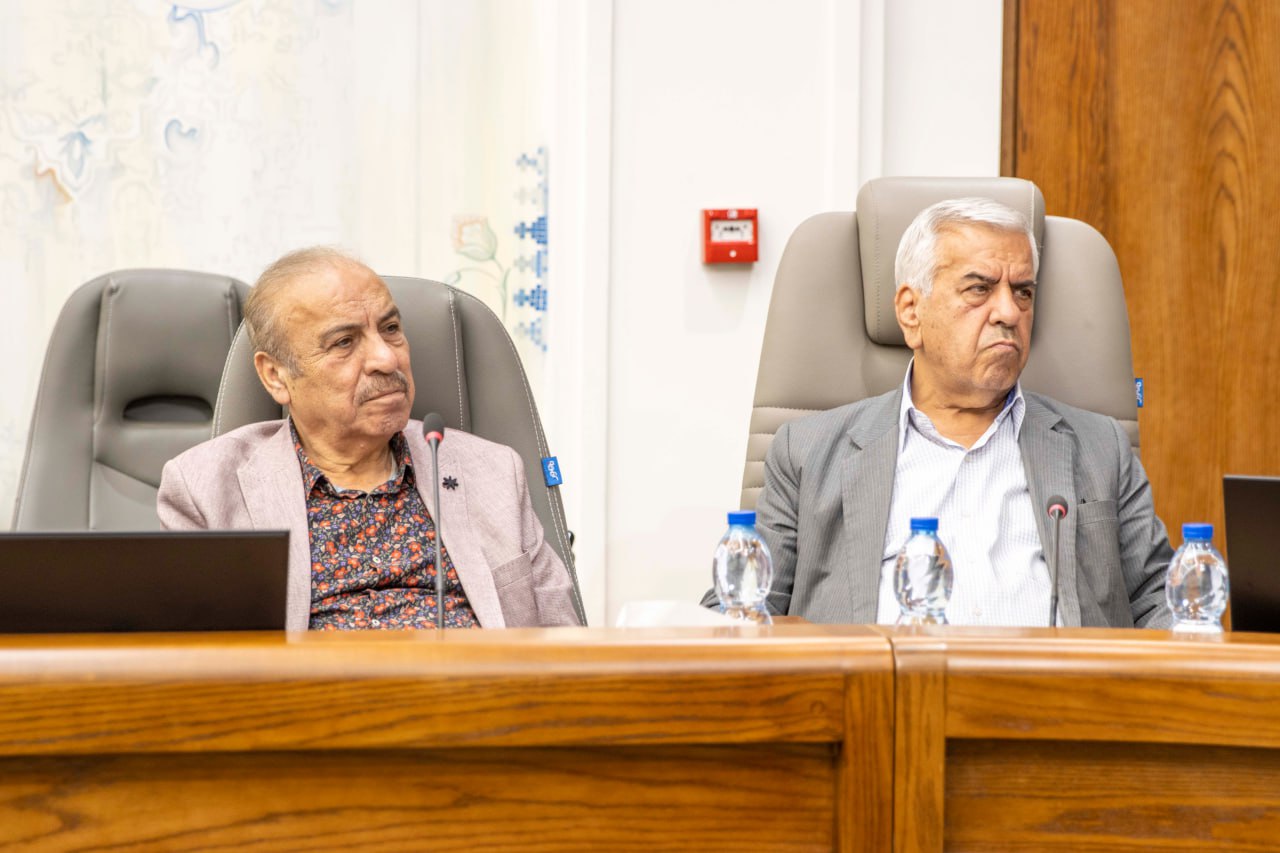
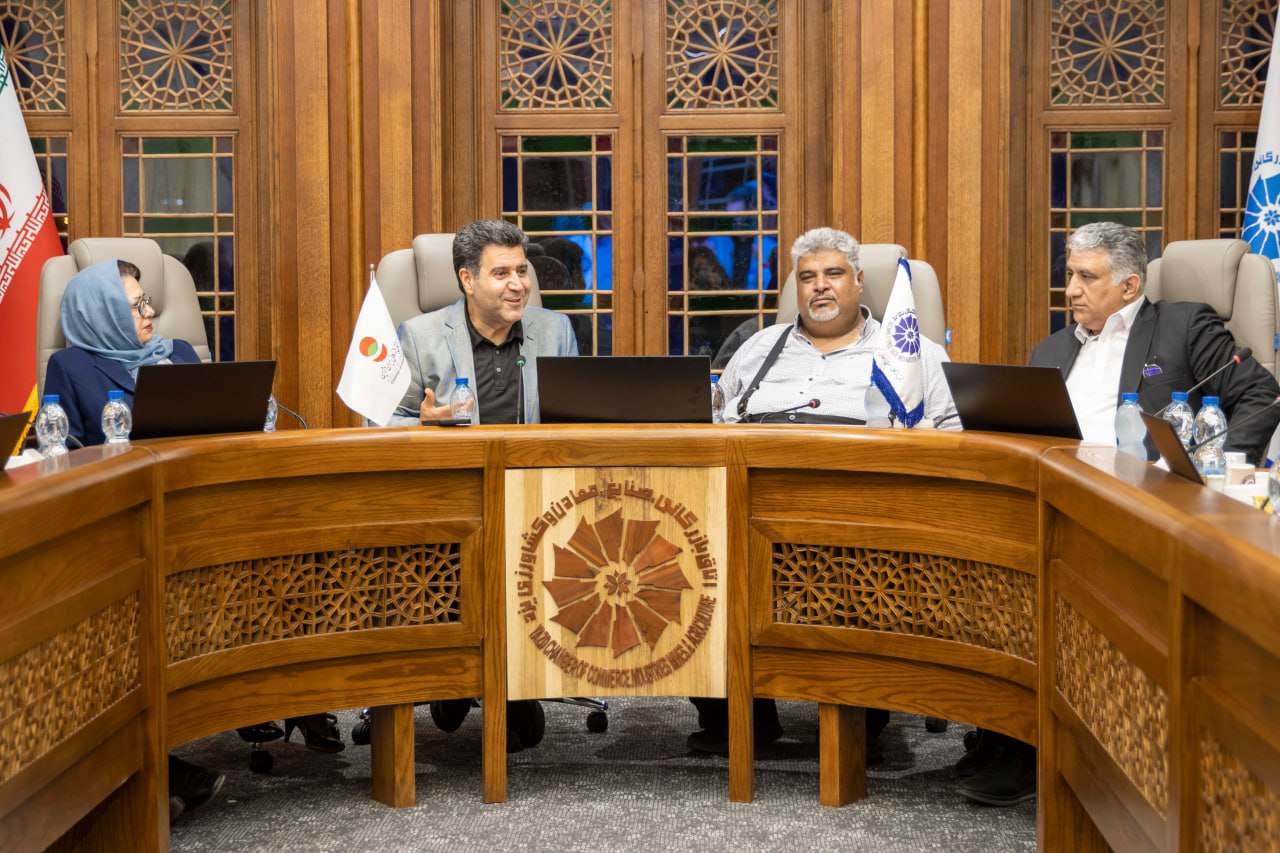
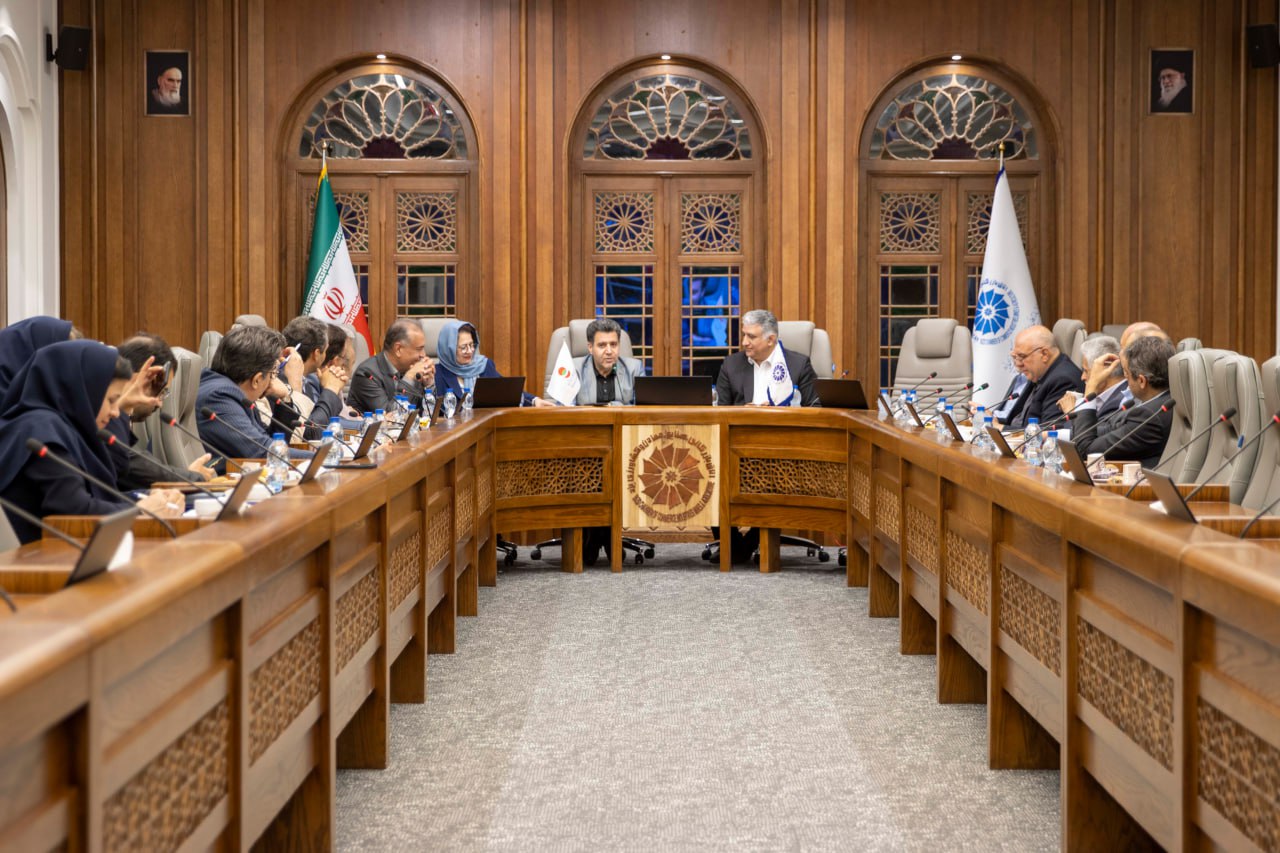
During a meeting between the Board of Representatives of the Yazd Chamber of Commerce and the President of the Iran-Japan Chamber of Commerce, key issues such as flawed currency policies, the necessity to expand international cooperation with Japan, and structural economic challenges were discussed.
According to the Public Relations Office of the Yazd Chamber of Commerce, the President of Yazd Chamber of Commerce criticized the policy of granting foreign currency loans, stating that such measures are misguided because the annual increase in exchange rates makes loan repayment practically impossible, resulting in the loss of national resources.
Mojtaba Dastmalchian remarked, “When imports become more profitable than production, even textile producers tend to prefer imports.”
Dastmalchian also criticized the repetitive and uniform performance of the Iran Chamber of Commerce and the recurring presence of the same speakers and representatives in meetings, adding that limited personal relationships have hindered the implementation of major decisions.
Cooperation with Japan: A Strategic Move for Yazd’s Economic Leap
Hossein Salahvarzi, President of the Iran-Japan Chamber of Commerce, emphasized the importance of expanding economic cooperation with Japan, stating that Yazd can achieve significant economic growth by leveraging Japanese technology and investment. He highlighted numerous areas of collaboration between Yazd and Japan and suggested Yazd take a leading role among provinces in this regard.
Salahvarzi mentioned the establishment of a joint Iran-Japan chamber and pursuing a sister city relationship between Yazd and a Japanese city as effective steps to enhance bilateral interactions.
Referring to Yazd’s capacities in handicrafts, carpets, and tourism, he called for strategic planning to attract Japanese tourists, adding that despite sanctions, Yazd’s high standards enable active participation in this sector.
He also addressed tourism as one of the few sectors capable of revitalizing the country’s economy under current circumstances. Additionally, he stressed the importance of innovation centers and noted financial constraints faced by many knowledge-based and innovative companies, suggesting the formation of a technology export consortium to address these challenges.
Salahvarzi identified sanctions, flawed currency policies, and corruption in currency allocation as root causes of economic problems. He asserted that resolving these issues requires lifting sanctions through successful negotiations. Inflation, he said, stems from sanctions, and the lack of sufficient foreign currency revenue has driven the government to pursue unusual currency policies, preventing importers of raw materials from placing orders and causing long queues for currency allocation.
Pointing to structural problems in the country, he stated that many issues originate from an inefficient decision-making system where expert and specialized ideas are unfortunately ignored.
Voices from Yazd’s Chamber of Commerce
Beigi, Vice President of Yazd Chamber, highlighted production obstacles, saying, “We are aware of all existing problems, yet we continue to operate and will not step back. We firmly express our concerns; for instance, the textile industry supports restricting foreign currency allocation for fabric imports.”
Ghazanfar Amirjalili, Chairman of the Industrial Commission and Vice President of Yazd Chamber, noted, “Lack of awareness about domestic and foreign markets has led innovative ideas down paths without markets. We need to examine the value-added created by high-tech industries worldwide. Yazd Chamber is currently working on monitoring high-tech projects suited to Yazd’s climate. We must move toward producing goods with value-added. On the other hand, we have exceptional talents — students and youth who can propose pioneering projects.”
Motevaselian, a member of the Board of Representatives, said, “Industries are currently entangled with secondary issues, and even the near-term production outlook is unclear. Manufacturers need to plan at least six months ahead, but we face new challenges and crises daily.”
Mohammad Sadegh-Al-Hosseini, another speaker, compared Iran’s economy with Turkey and Saudi Arabia, stating, “In 2010, the GDP of these three countries was almost equal, but today Iran’s economy is half the size of Turkey’s and 60% of Saudi Arabia’s. This decline results from sanctions compounded by Iran’s erroneous policies.”
Sadegh-Al-Hosseini referred to the “dominant coalition” as comprising key wealthy individuals, military leaders, government bureaucrats, and influential intellectuals in various countries, who shape major policies through the combination of money, weapons, and political power.
He explained that this coalition does not easily relinquish its benefits or privileges and maintains its position through financial exchanges.
Additional Discussions
The meeting also covered issues such as power supply imbalances, delays in currency allocation for machinery imports, lack of transparency in future policy-making, challenges in currency allocation for some goods, and prolonged licensing processes for power plants.
Conclusion
The session concluded with the signing of a memorandum of understanding between the Yazd Chamber of Commerce and the Iran-Japan Chamber of Commerce.
Commenting is closed.