

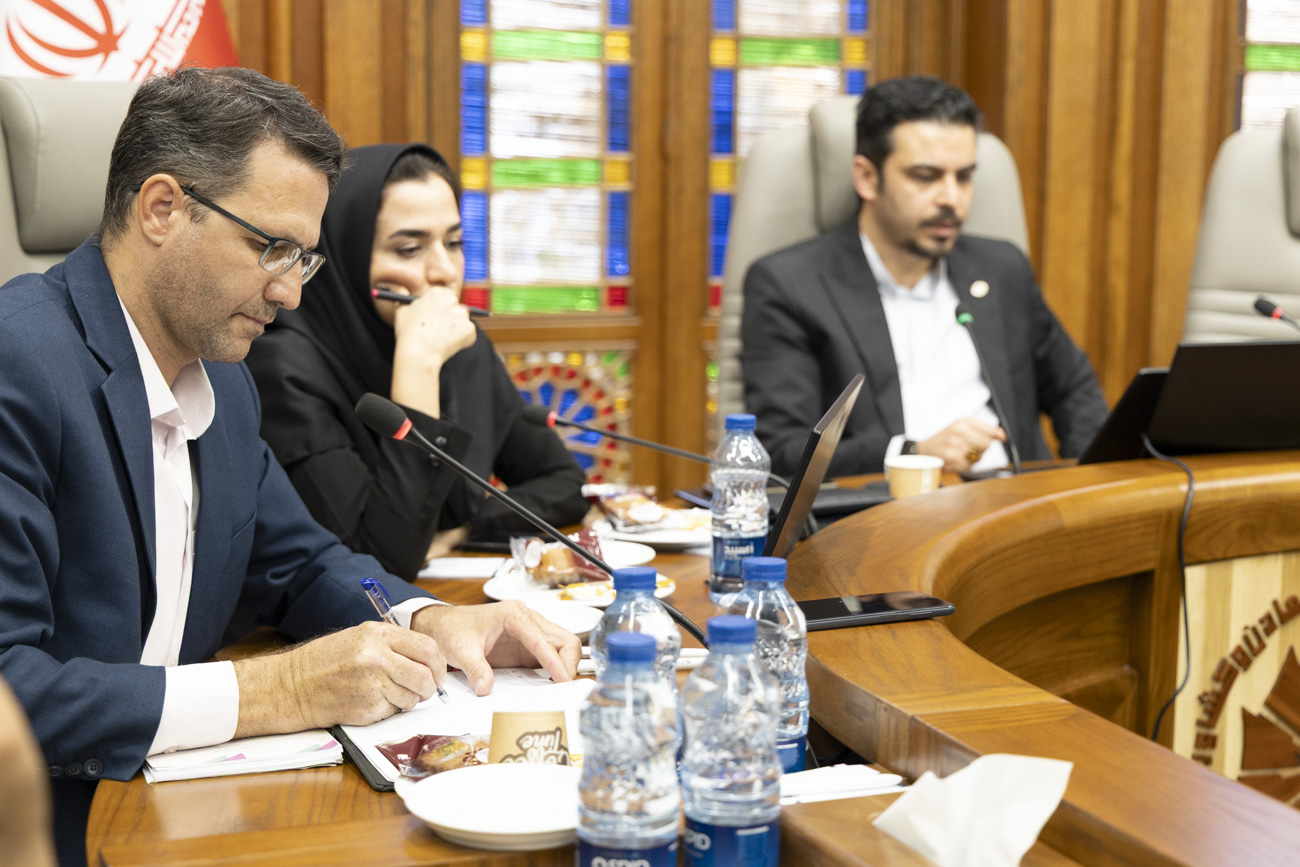
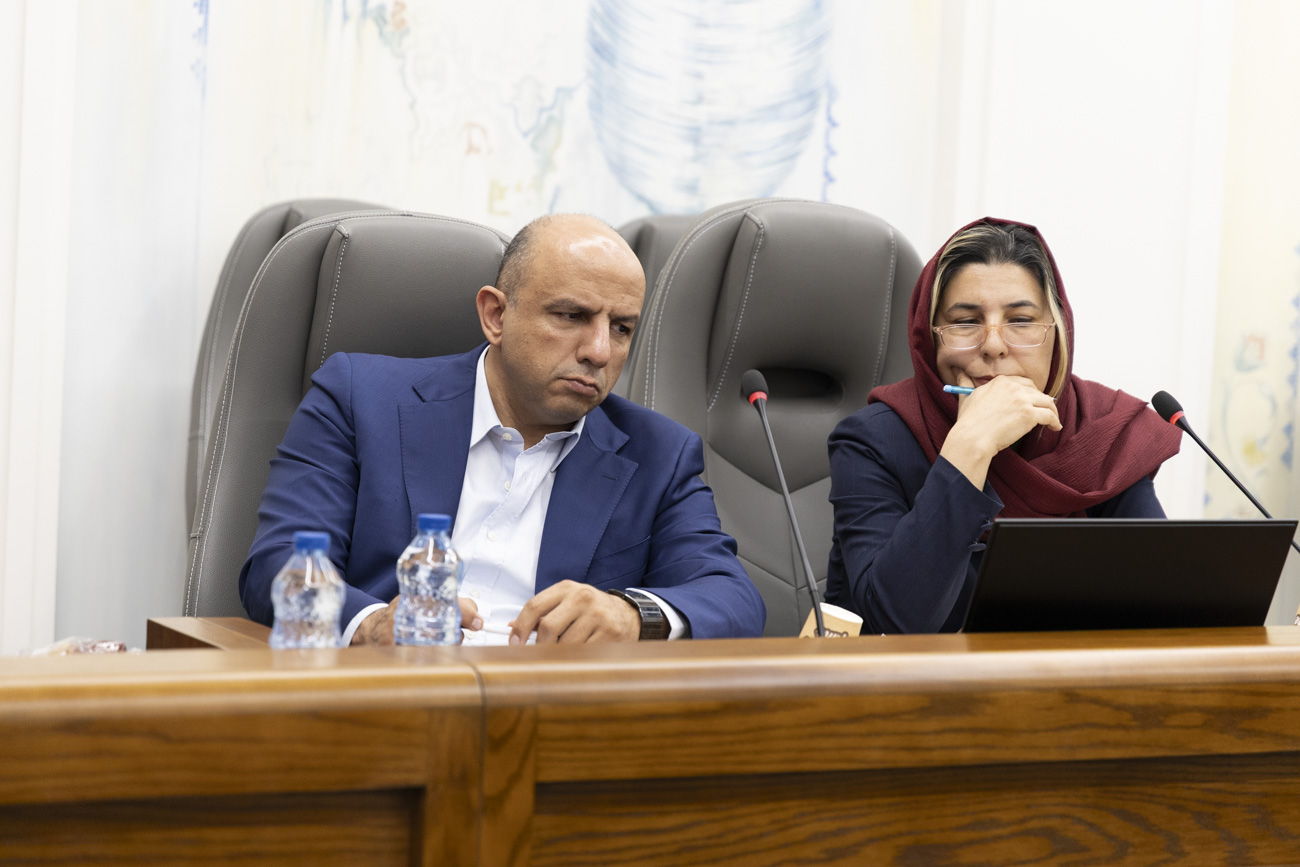
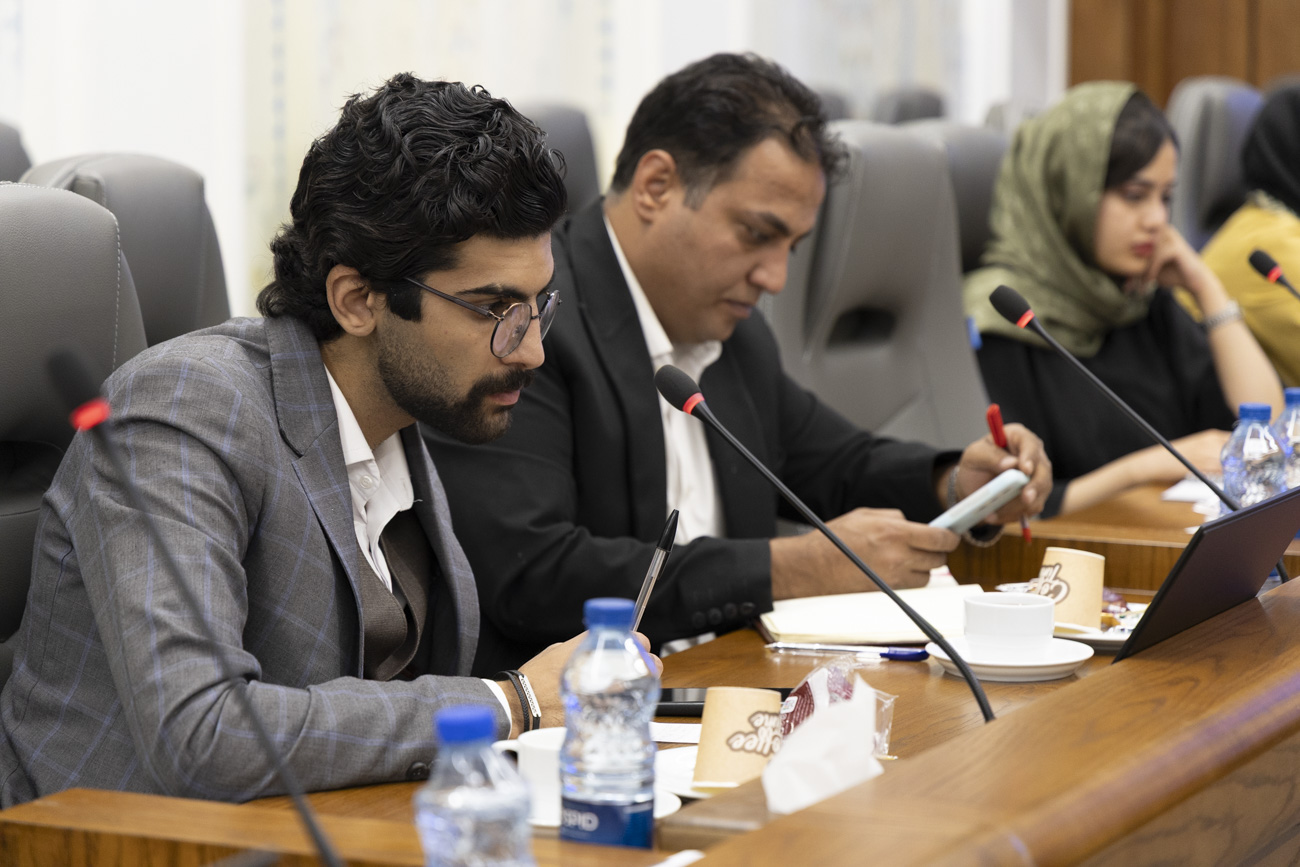
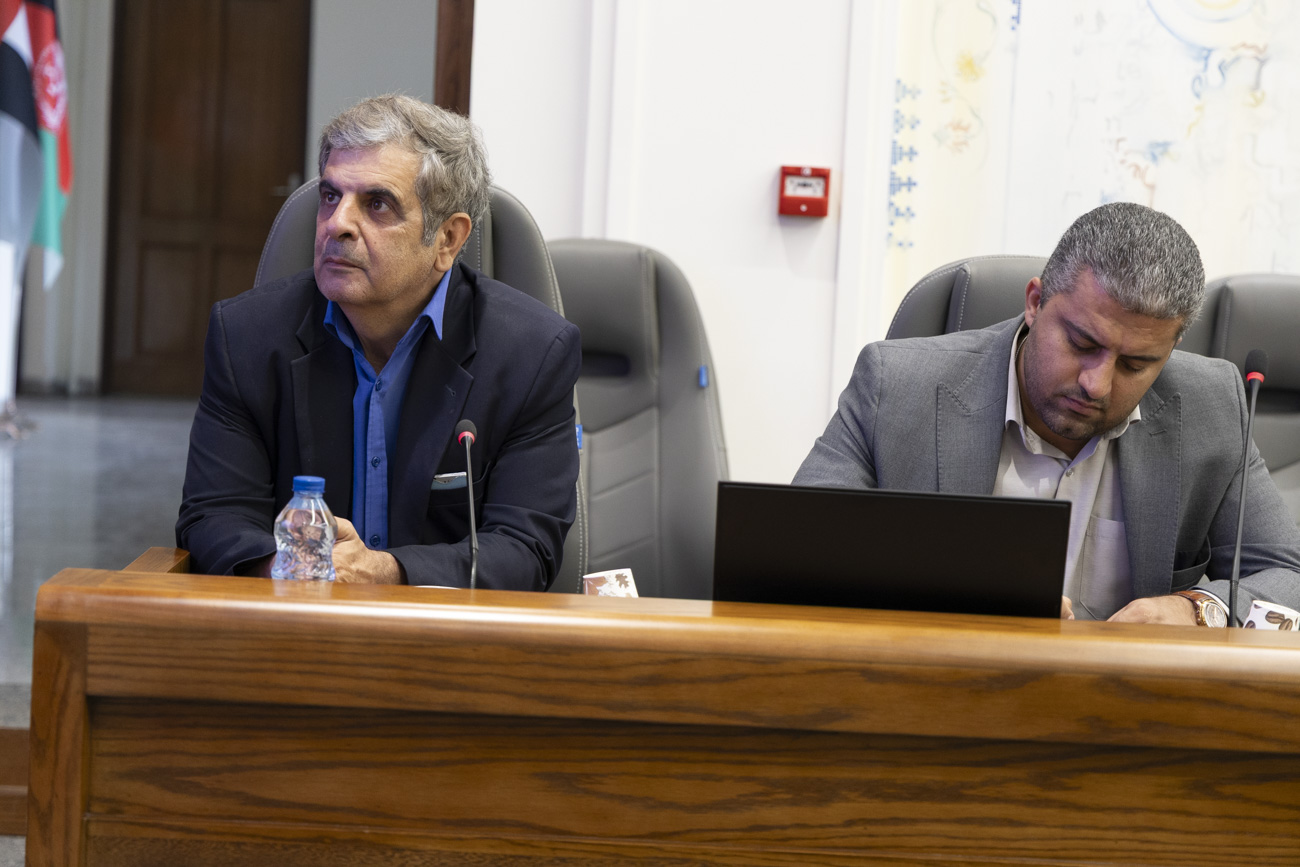
Yazd, Iran – One-third of Iran’s foreign trade is conducted with the UAE, highlighting the necessity of shifting toward sustainable cooperation and joint production, according to experts at a recent business development meeting in Yazd.
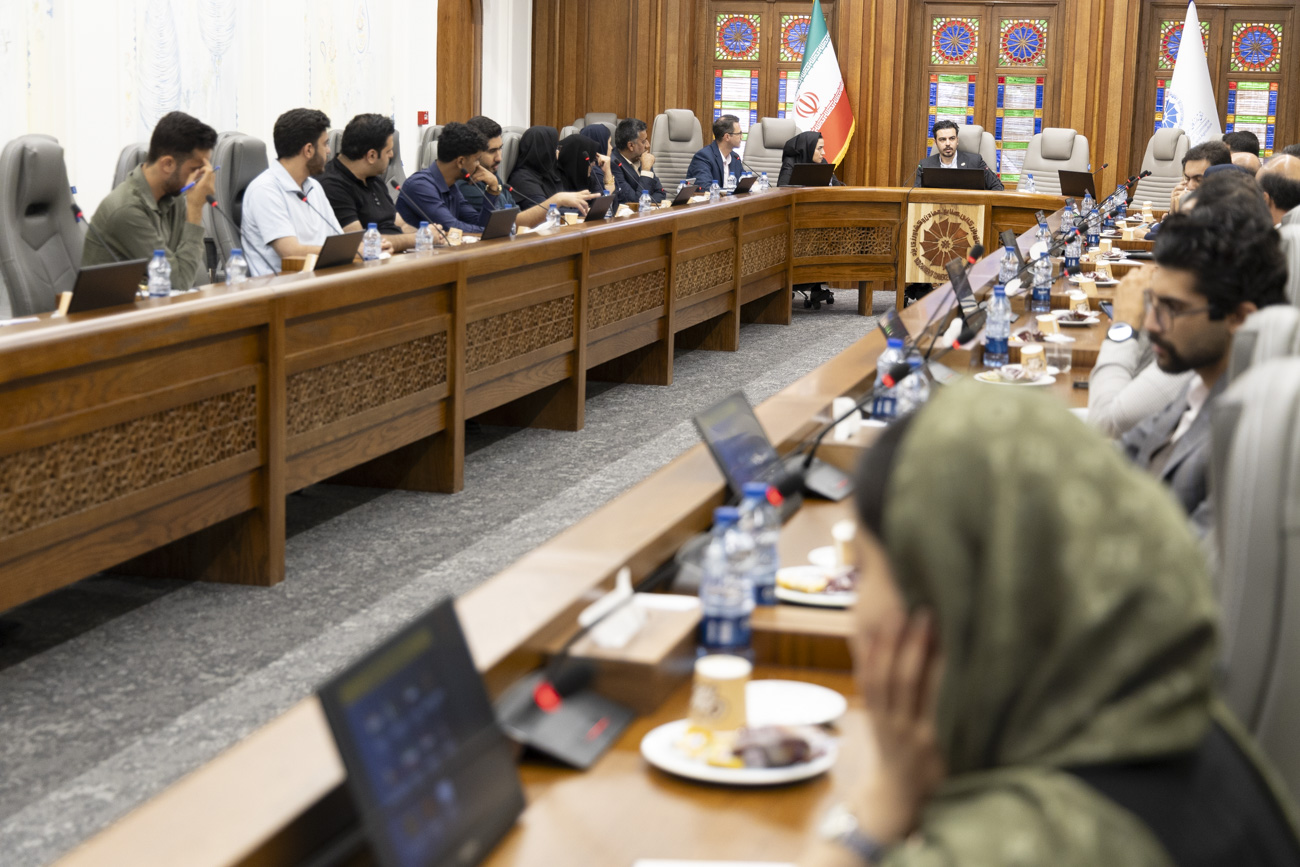
The meeting, featuring the Secretary General of the Iran-UAE Joint Chamber of Commerce, explored strategies for expanding bilateral trade between the two nations.
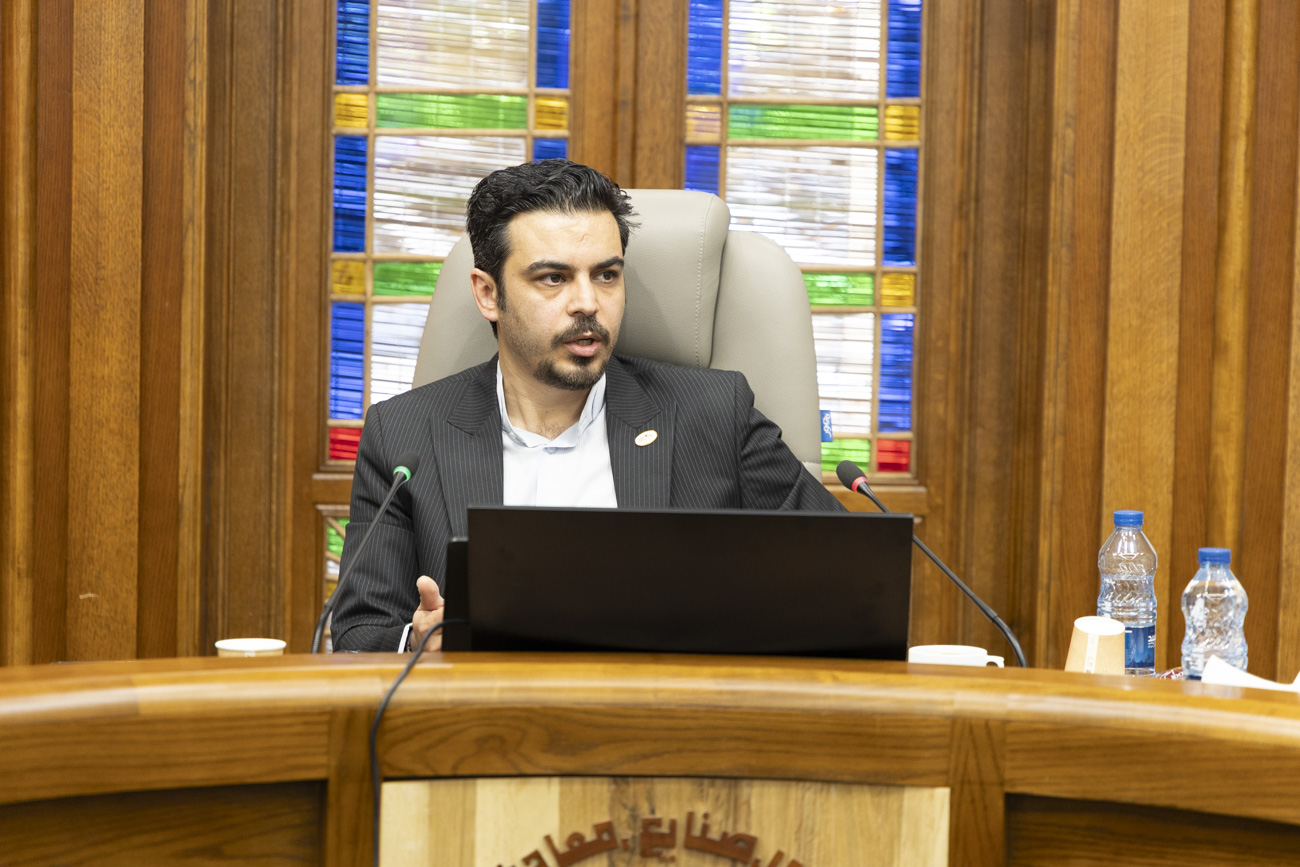
Seyed Mojtaba Tajkhah, Secretary General of the Iran-UAE Joint Chamber of Commerce, detailed the pivotal role of chambers of commerce and the status of Iran’s economic ties with the UAE. The International Chamber of Commerce (ICC) is a globally concentrated organization for the private business sector. In Iran, this structure originated from the Iran Chamber of Commerce, Industries, Mines and Agriculture and is essentially the primary representative organization for the private sector, he explained. Today, the Iran Chamber of Commerce, with over a century of history, is the most powerful private sector institution and plays a significant role in the country’s economic decision-making.
According to the Public Relations of the Yazd Chamber of Commerce, Tajkhah mentioned that in addition to the provincial chambers, Joint Chambers have also been established, whose mission is to work specifically between Iran and target countries. Currently, we have active joint chambers with almost all neighboring countries and many Asian and European countries. However, due to political developments, the activities of some of these chambers fluctuate at various times (increase or decrease), but this network generally remains dynamic.
Tajkhah also provided a background on the UAE and said that the United Arab Emirates was historically part of the Ottoman Empire and later under British influence. Following the collapse of these empires, the regional Sheikhdoms gradually declared independence. In 1971, seven of these Sheikhdoms united to form the UAE. December 2nd, 1971, is known as the Day of the Union or the National Day of the UAE. Additionally, Abu Dhabi is the largest Emirate by area and Dubai holds the top position in terms of trade and population. Many people around the world know the UAE by the name of Dubai, as it is considered the country’s beating economic heart, much like New York that is the trade center for the United States.
The Secretary of the Iran-UAE Joint Chamber elaborated on the demographic structure of the United Arab Emirates (UAE) and announced that the UAE’s population has recently surpassed 11 million people. The largest segments belong to the Indian and Pakistani nationalities, which together comprise about half of the UAE’s total population. This widespread presence has historical roots, as much of the labor during the period of British influence was primarily sourced from India and Pakistan. In recent years, the UAE government has implemented visa restrictions for these two countries to manage and control its demographic composition.
He added that the Iranian population residing in the UAE is estimated to be between 450,000 to 500,000 people, with a significant portion living in Dubai. Iranians were among the first migrants to settle in the southern regions of the Persian Gulf, and their historical footprint is clearly visible in the architecture, fortresses, and historical fabric of Ajman city.
Referring to the special significance of the UAE in Iran’s foreign trade, Tajkhah stated:
“If we consider Iran’s total foreign trade as three sections, approximately one-third is conducted with the UAE, another one-third with China, and the remaining one-third with about two hundred other countries. The total volume of Iran’s foreign trade is approximately $110 billion, of which nearly $30 billion pertains to exchanges with the UAE. For this reason, the UAE is considered as one of our most important trade partners today.”
He further noted that in recent years, and especially after the COVID-19 pandemic, the UAE’s role in Iran’s trade has become more prominent due to travel and transportation restrictions in East Asia. Additionally, the high stability of the Dirham currency and its direct link to the U.S. Dollar have led to a considerable rise in demand for the Dirham in the Iranian currency market. The Central Bank has also gradually shifted part of its currency anchor from the Dollar to the Dirham.
According to Tajkhah, although the UAE is Iran’s leading trade partner, this relationship is not balanced: “We are dependent on the UAE for the import of many inputs and intermediate goods, and a significant portion of our exports are re-exported through UAE ports. Meanwhile, the UAE maintains extensive trade relations with over 20 to 30 other countries, and in the event of restrictions, Iran will not be the priority. This one-sided dependency can be detrimental to the Iranian economy under specific circumstances.”
The Secretary of the Iran-UAE Joint Chamber, Seyed Mojtaba Tajkhah, offered a comparison of the two countries’ key macroeconomic indicators and asserted: Gross Domestic Product (GDP) of Iran and the UAE are relatively close, both estimated at approximately $500 billion.
Due to the significant difference in population, the GDP per capita in the UAE is about 10 times higher than in Iran which means that each Iranian person, on average, generates about $5,000 in annual economic output. He also added that the total volume of the UAE’s foreign trade is approximately $1 trillion (1,000 billion USD), whereas Iran’s foreign trade is estimated at only $110 billion. Moreover, the UAE’s foreign currency reserves are more than three times those of Iran, despite having a much smaller land area and population.
Tajkhah concluded that the majority of Iran’s imports from the UAE consist of intermediate goods, industrial components, and electronic equipment. In return, Iran primarily exports petrochemical products, minerals, and agricultural produce to the UAE.This pattern indicates that our trade structure with the UAE is still primarily based on traditional and intermediary exchanges. To transform this relationship into a sustainable and balanced partnership, we must move toward joint investment, co-production, and the development of value chains.
Tajkhah noted that the official statistics provided for Iran-UAE trade do not include Oil, oil derivatives, and petrochemical products exports because these are handled directly by the government and are unrelated to private sector activity.
A large portion of these imports, many of which transit through the UAE, are also excluded. Therefore, the available data exclusively reflects the private sector’s trade activities, conducted independently of government involvement.
Tajkhah elaborated on the data classification methodology, stating: “The statistics are categorized based on the first two digits of the Harmonized System (HS) Code to offer a general overview of trade trends.” In the import sector, the largest volume of exchanges relates to office machinery, laptops, computers, printers, and mobile phones, collectively estimated at approximately $3.5 billion. These commodities are imported into the country via the UAE—instead of being imported directly from China—due to the speed of shipment and economic efficiency of utilizing the Emirates’ logistics hub.
Tajkhah continued: The next tiers of imports include various types of tobacco products, such as processed tobacco, hookah tobacco, and electronic cigarettes. Additionally, plastic products, paper, wood products, and chemical materials hold a significant share of imports originating from the UAE.
According to the Secretary of the Iran-UAE Joint Chamber of Commerce, the largest volume of Iran’s exports to the Emirates comprises fruits, nuts and dried fruits, vegetables, summer crops (seasonal vegetables), fish, and marine products.
He also added that a portion of our exports is also dedicated to live animals, animal products, and mineral products including stone, tiles and ceramics, a considerable share of which originates from Yazd province. Furthermore, metal products such as copper, wires, and cables are also on the list of exported items.
Tajkhah emphasized the importance of analyzing target markets, and mentioned: “For better export planning, we must know the total volume of imports for each commodity into the UAE.” He provided an example and explained that if Iran’s ceramic exports to the UAE amount to approximately $3.5 million, but the UAE collectively imports over $70 million worth of ceramics annually, it means Iran’s share is only about five percent of the market, indicating a very high capacity for expansion.”
He noted that this gap could be due to several factors, including:
He added: To address these limitations, we must act more proactively in areas such as packaging, obtaining standard certifications, and ensuring consistent presence in exhibitions and target markets. Many buyers in the UAE prefer to receive goods ready-made and delivered on-site; therefore, warehousing and the rapid preparation of shipments are also of high importance.
Tajkhah stated that the volume of private sector trade between Iran and the UAE in 2024 was approximately $27 billion, recorded as roughly $9 billion in exports and $18 billion in imports. While the trade balance appears negative on the surface, he clarified that this difference is primarily related to the extensive import of essential commodities and raw materials. He asserted that in the sphere of pure private sector trade, by excluding the government’s role, it is possible to achieve a positive trade balance.
He also explained the UAE’s tariff policy and asserted that the UAE has adopted a policy of reducing tariffs in recent years with the goal of becoming the region’s commercial hub. The default import tariff for nearly all goods is set at five percent. In specific cases, such as steel or cement, where the UAE government intends to support domestic production, tariffs may be increased, or they may be reduced to zero for essential goods.
Referring to the rising demand among Iranians for UAE residency, Tajkhah stated: Following the banking restrictions caused by sanctions, many Iranian economic actors have sought secondary residency to facilitate their financial affairs. The geographical proximity, cheap and short-duration flights, and the economic stability of the UAE have made the country a primary destination for Iranians. Unlike some countries such as Turkey or Armenia, which have suffered severe inflation, the value of the UAE’s currency has been pegged to the US dollar since the Central Bank’s establishment, ensuring significant stability.
In addition, professionals in the artistic, scientific, athletic, and social fields can obtain residency through the Specialized Talent Visa or the “Golden Visa for Talents”. Another route is registering a company and commencing economic activity, which is considered the most suitable option for many Iranian commercial actors.
Tajkhah concluded by emphasizing the UAE’s new policies regarding the abolition of the Sponsorship (Kafala) System and the granting of 100% foreign ownership of companies demonstrate the country’s commitment to attracting international investors. This trend provides an excellent opportunity for Iranian economic actors to expand their activities through investment or setting up businesses in the country.
Commenting is closed.