

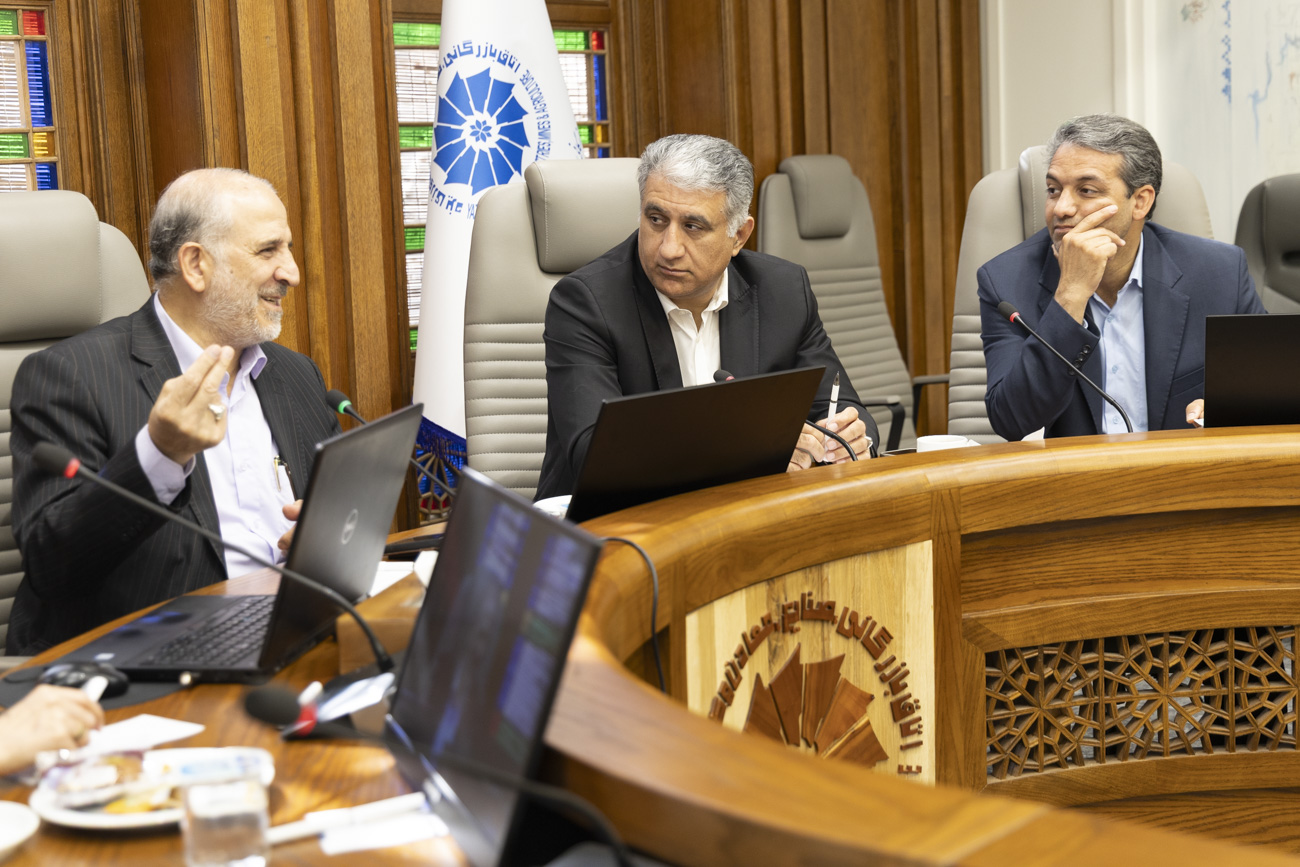
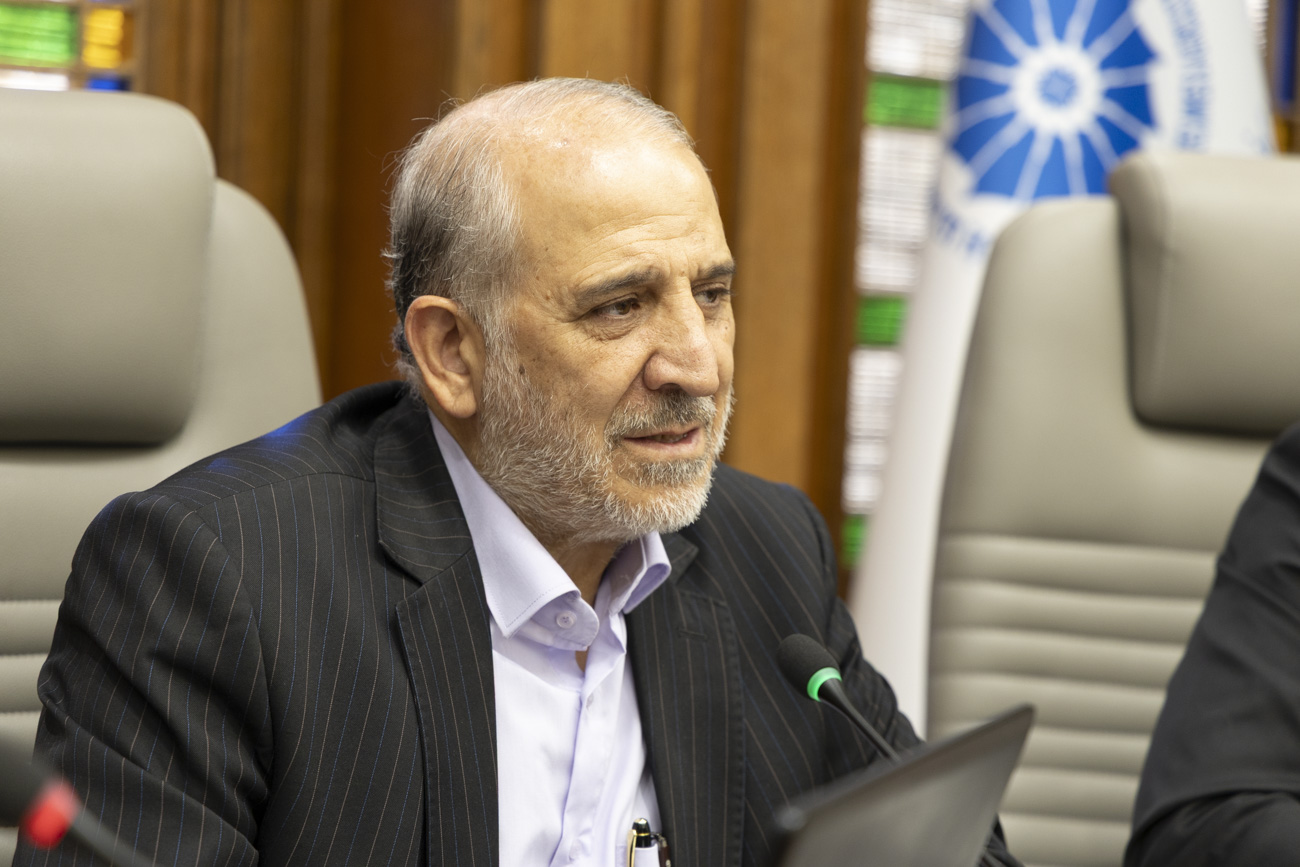
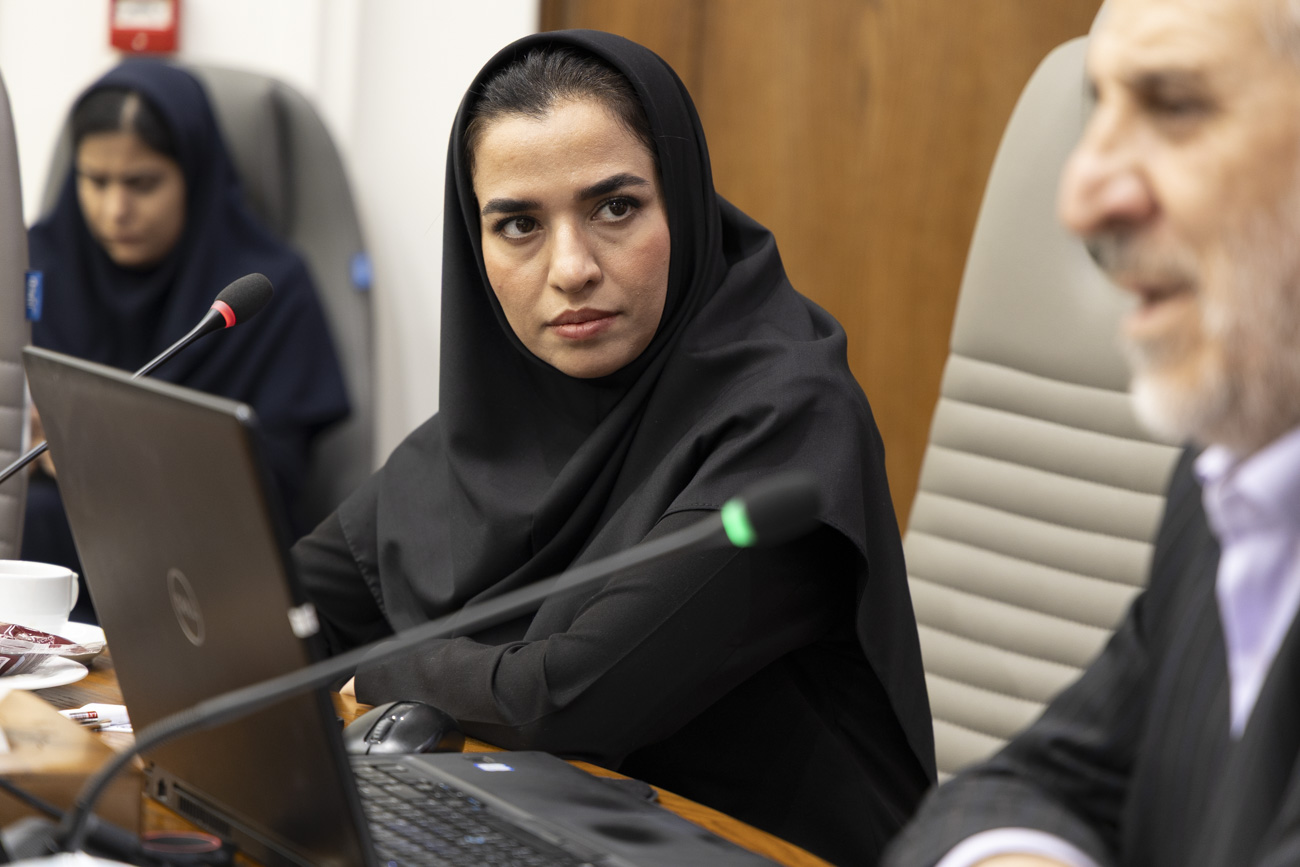
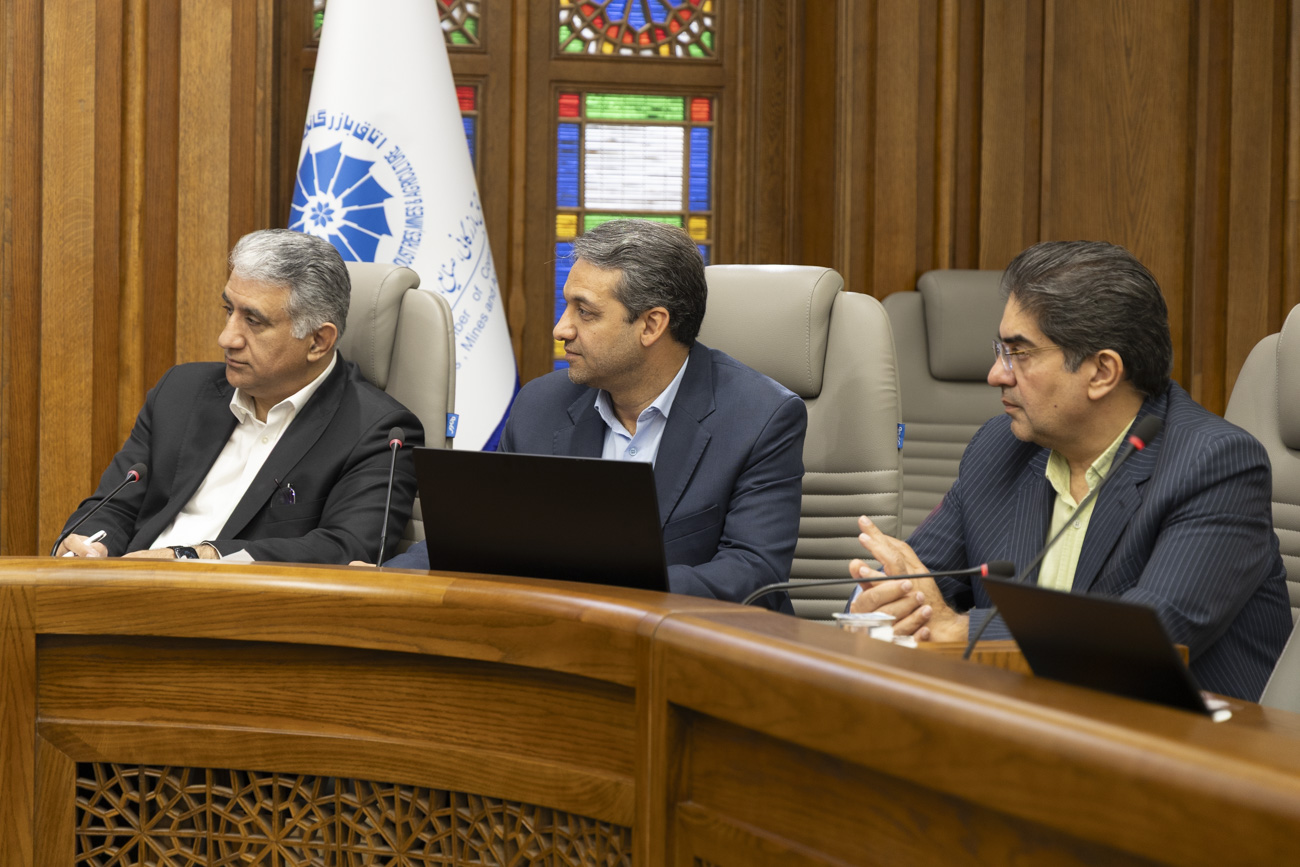
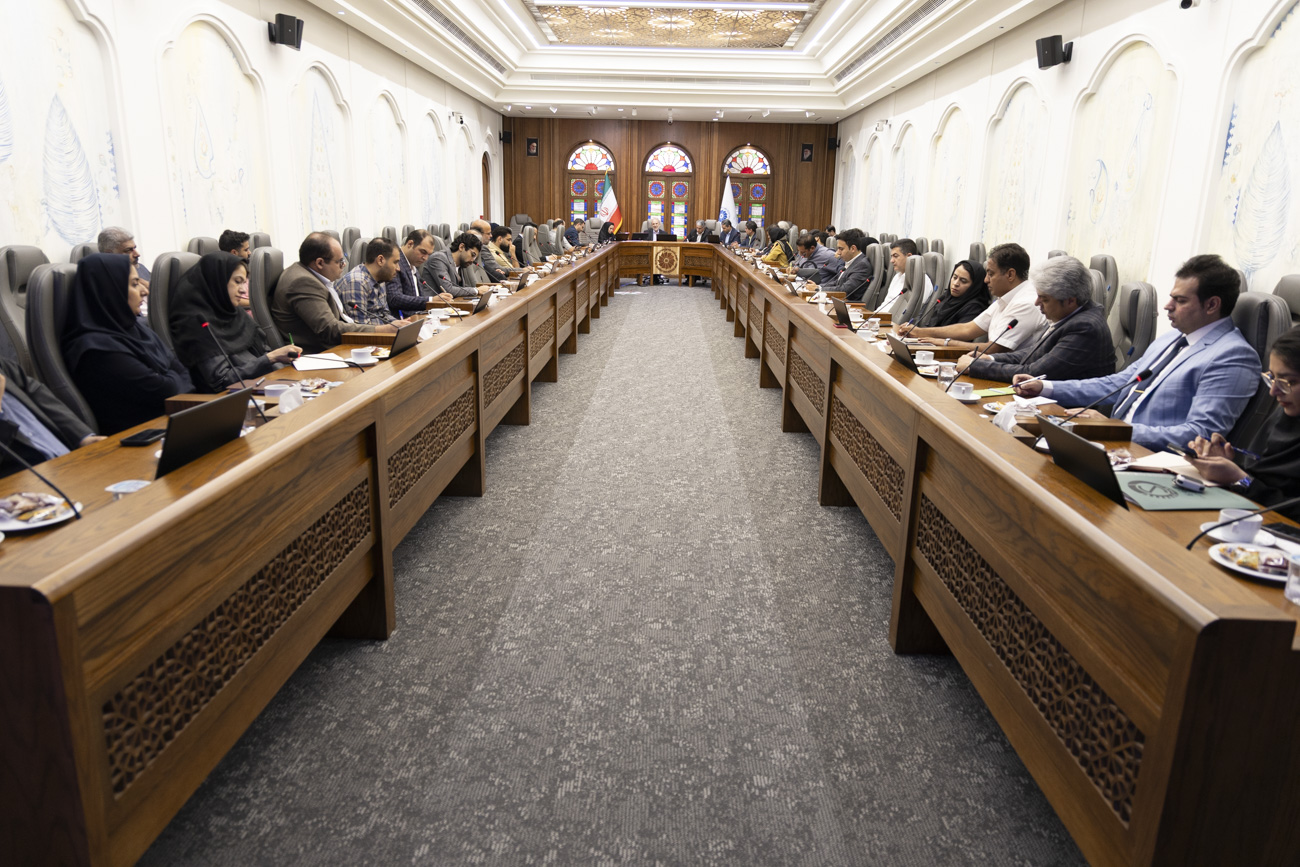
The President of the Trade Facilitation and Export Development Commission of the Yazd Chamber of Commerce stated in the Specialized Africa Panel that the African market holds significant capacity for exporting Yazd’s commodities.
The Vice-President of the Yazd Chamber of Commerce, Industries, Mines, and Agriculture emphasized the importance of recognizing African markets and the proper entry strategies during the specialized Africa panel held at the Yazd Chamber of Commerce. He stated: “The objective of holding this meeting is to gain further familiarity with the economic capacities of the African continent and to explore practical strategies for the effective presence of Yazd Province’s products in this market.”
Masoud Barahman, President of the Iran-Africa Joint Chamber of Commerce, emphasized the vast capacity of the continent for economic cooperation, stating: Africa is one of the richest regions globally, holding 30% of the world’s mineral resources, 65% of its diamonds, and 60% of its gold. However, due to weak infrastructure and technology, a large portion of its capacity remains untouched.
He added that approximately $1,500 billion in economic exchanges take place on the continent annually. The main exports of African countries consist of raw materials and limited products such as tea, coffee, cotton, and oilseeds.
Barahman highlighted the opportunities available to Iran in the mining sector and technical engineering services, stating: “Over $1 trillion worth of projects are currently underway in Africa in fields such as dam construction, renewable energy, and contracting.”
He noted that African countries welcome the presence of Iranian specialists and companies in the field of mineral extraction, and even calls for participation have been issued for Iranian actors to engage in gold projects.
He clarified: “Although Africa is considered the most underdeveloped continent in terms of infrastructure, its economic growth is above the global average. This presents a strategic opportunity for Iran to expand trade relations and enter emerging markets.”
Barahman pointed to the economic capacities of both sides and mentioned that the country’s annual need for cotton is approximately 1,250 tons, but only a portion is produced domestically, with the remainder being imported from abroad. He continued that this need could be partially met through direct trade relations and cooperation with African countries that are producers of this raw material.
He also highlighted Iran’s vast potential in the field of health tourism, adding: “Currently, one Iranian clinic operating in Dubai receives over 17,000 patients annually from African countries. This demonstrates the African public’s trust in Iranian medical services.”
He suggested that by establishing Iranian clinics in African countries and simultaneously attracting patients from that region for treatment in Iran, we can pave the way for the development of medical tourism. Yazd Province is a leader in this sector and has a high capacity for hosting foreign patients.
Emphasizing the necessity of creating a specialized structure for developing trade with Africa, Barahman stated: “To ensure an effective presence in African markets, an Export Management body must be formed, and this mission needs to commence with the cooperation of the private sector and relevant institutions.”
He also pointed to the sectors of oil, gas, and petrochemicals, noting: The African continent holds valuable capacities in these areas as well, and it can be an important destination for investment and joint cooperation by Iranian companies.
The session concluded with participants raising questions and expressing their viewpoints on practical solutions for the more active involvement of Iran’s private sector in African markets, engaging in exchange of views and discussion.
Commenting is closed.